



BDS vs MBBS – Which Is Better in 2026?
Choosing between BDS (Bachelor of Dental Surgery) and MBBS (Bachelor of Medicine & Bachelor of Surgery) is one of the most critical decisions for NEET UG aspirants. Both are noble, highly respected, and rewarding healthcare professions, but the ideal choice depends on your clinical passion, career goals, lifestyle preferences, and long-term vision.
Understanding the Core Difference
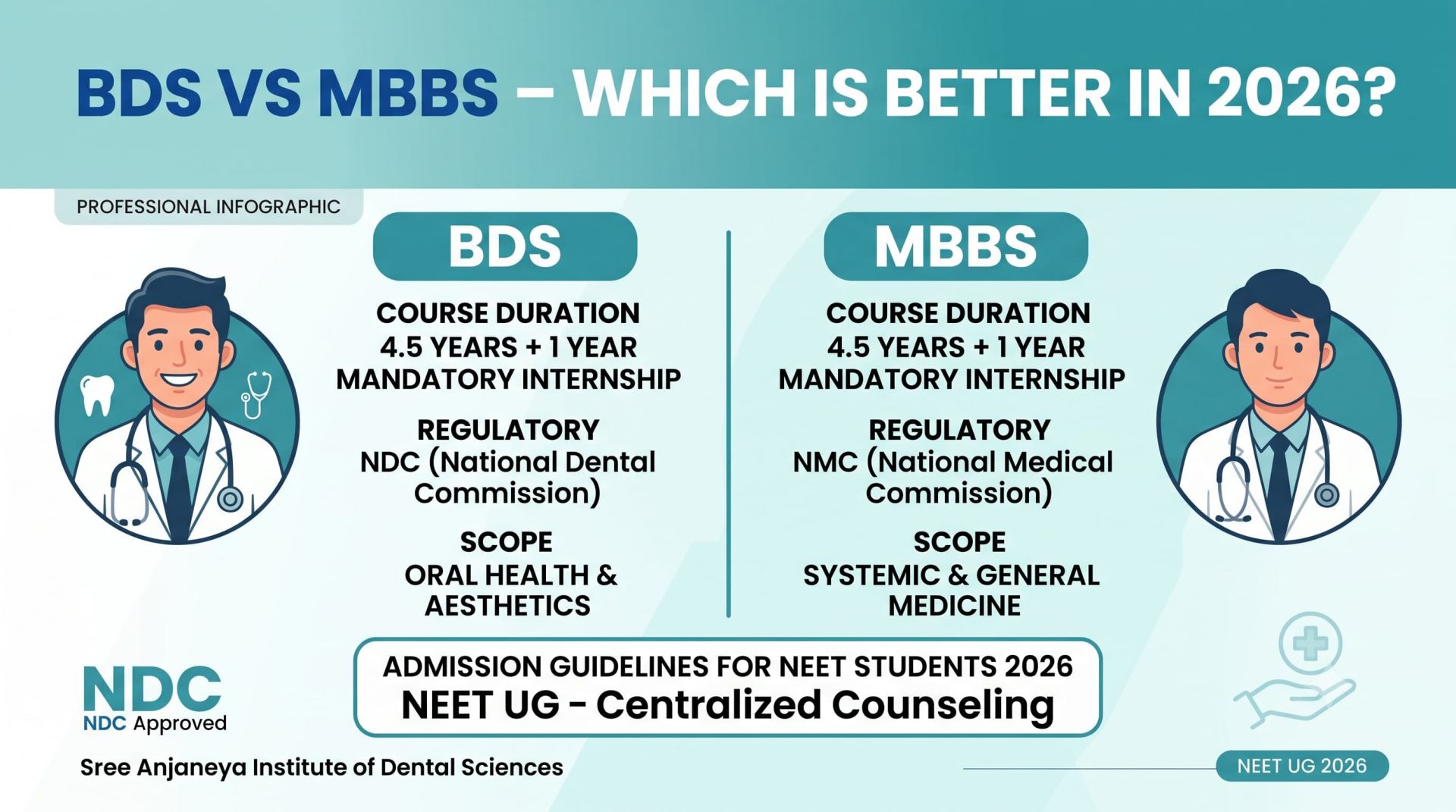
MBBS MBBS focuses on diagnosing and treating medical conditions affecting the human body as a whole. Medical graduates become general physicians and can pursue super-specializations (MD/MS) in areas like Cardiology, General Surgery, Pediatrics, Orthopedics, and Neurology.
BDS BDS specializes in oral healthcare, teeth, gums, maxillo-facial structures, and smile aesthetics. Dentists diagnose and treat complex dental conditions, perform surgical procedures, and enhance patients' clinical health, smile confidence, and facial aesthetics.
Course Duration & Academic Structure
Both courses require qualifying in NEET UG for admission in India.
- MBBS Duration: 5.5 Years (4.5 Years Academic Study + 1 Year Compulsory Rotating Internship)
- BDS Duration: 5 Years (4.5 Years Academic Study + 1 Year Compulsory Rotating Internship)
Regulatory Framework: Dental education in India is regulated under the National Dental Commission (NDC) framework—which officially succeeded the former Dental Council of India (DCI)—ensuring modern clinical standards and global competency for BDS graduates.
Career Opportunities After MBBS vs BDS
Opportunities After MBBS:
- General Physician / Government Medical Officer
- Hospital Consultant / Clinical Specialist
- Surgeon
- Medical Research & Public Health
- Higher Studies (MD / MS)
Opportunities After BDS:
- Clinical Dental Surgeon
- Cosmetic & Aesthetic Dentist
- Implantologist & Laser Specialist
- Orthodontist & Maxillofacial Specialist
- Dental Clinic Owner & Entrepreneur
- Higher Studies (MDS)
Modern Scope in Dentistry: Dentistry today offers rapidly growing avenues in:
- Cosmetic dentistry & smile design
- Dental implantology
- Digital dentistry and aligners
- Laser dentistry
- International clinical practice
Which Has Better Work-Life Balance?
Many NEET candidates prefer BDS because dentistry naturally offers:
- More predictable, flexible OPD hours
- Superior long-term work-life balance
- Fewer night shifts and emergency duties
- Independent practice and clinical ownership control
Conversely, MBBS doctors often face:
- Frequent night duties and emergency shifts
- Long working hours in hospital environments
- High stress during residency and post-graduation
Earnings, Practice Ownership & Future Scope
Both fields offer strong revenue growth based on skill set, experience, location, and specialization. Skilled dentists who specialize in implants, clear aligners, and cosmetic smile designing earn exceptionally well through private practices.
Technology Integration in Modern Dentistry: Modern dental care incorporates advanced tech:
- 3D intraoral scanning & printing
- AI-assisted radiographic diagnosis
- CAD/CAM digital smile design software
- Advanced implant and laser systems
Who Should Choose MBBS?
Choose MBBS if you:
- Love systemic general medicine
- Prefer hospital-based clinical practice
- Enjoy managing complex multi-organ medical cases
- Are comfortable with emergency care, shifts, and extended study timelines
Who Should Choose BDS?
Choose BDS if you:
- Enjoy surgical precision, clinical dexterity, and visual aesthetics
- Want early clinical exposure and practical skill development
- Value a balanced lifestyle with regular working hours
- Dream of running an independent clinic or healthcare brand
Why Pursue BDS at Sree Anjaneya Institute of Dental Sciences?
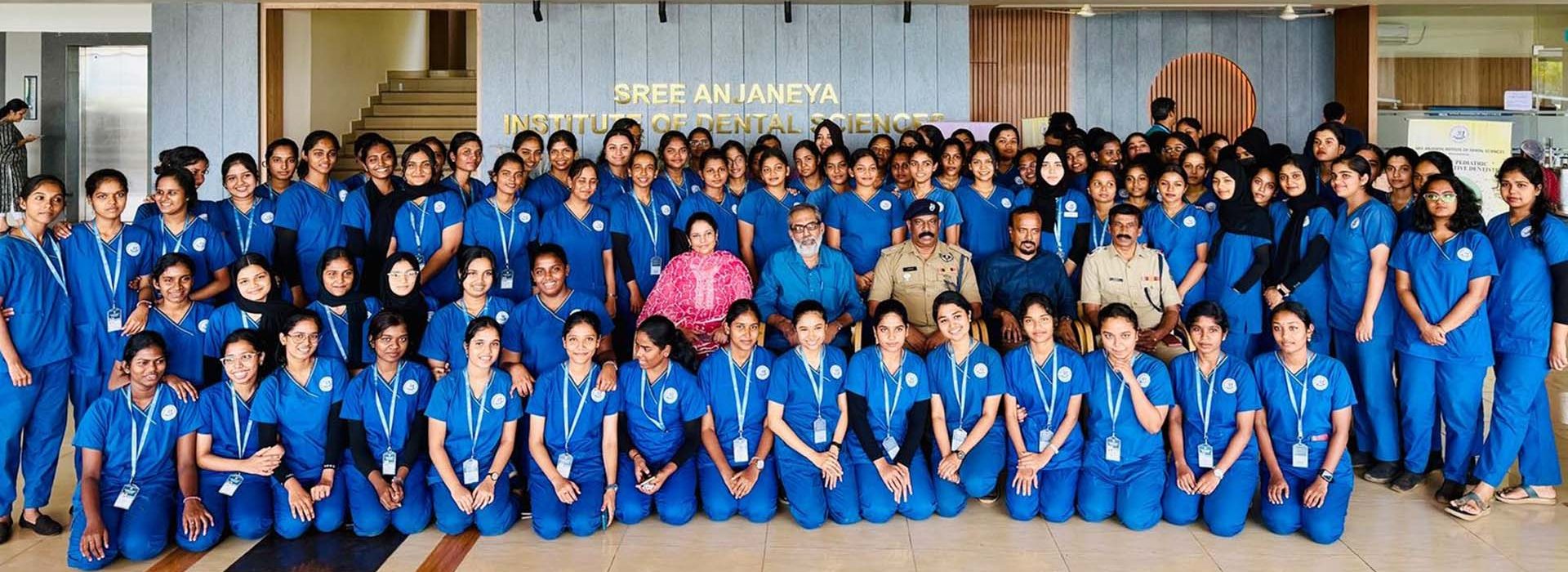
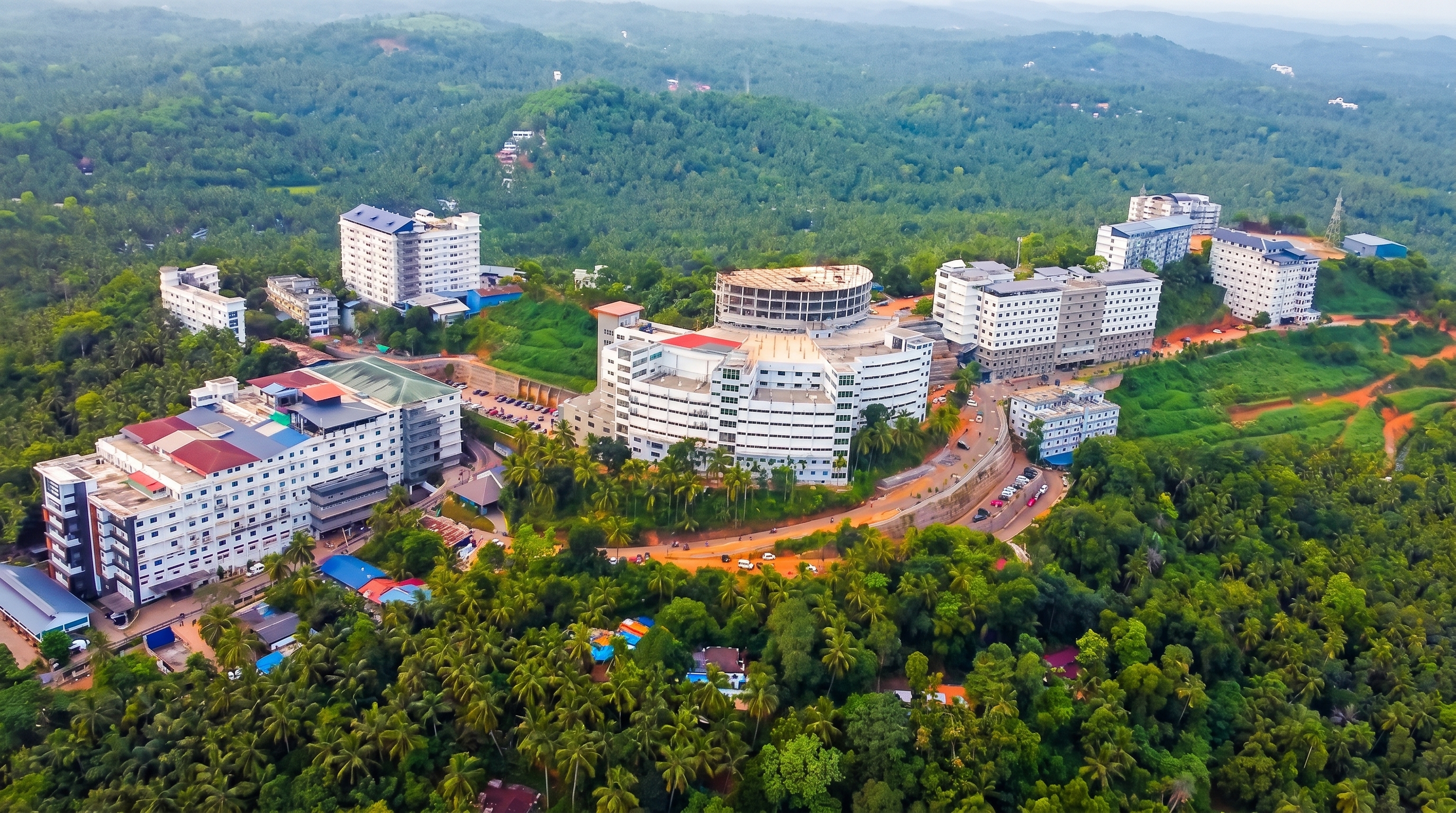
At Sree Anjaneya Institute of Dental Sciences (a unit of Malabar Medical College Hospital & Research Centre) in Calicut, students receive exceptional clinical exposure:
- Direct Integration with MMC Hospital: Comprehensive exposure to general medicine, trauma, and multi-specialty clinical cases right from undergraduate years.
- High Outpatient Footfall: Extensive practical hands-on training across high-volume outpatient clinics.
- Modern Facilities: Advanced preclinical labs, digital radiology, digital impression scanners, and specialized departments.
- Statutory Approvals: Recognized under the National Dental Commission (NDC) / former DCI and affiliated with the Kerala University of Health Sciences (KUHS).
? Ready to begin your career in oral healthcare? Click here to apply for BDS Admissions at Sree Anjaneya Institute of Dental Sciences
Frequently Asked Questions (FAQs)
1. Is BDS better than MBBS in 2026? Both are prestigious healthcare professions. MBBS is ideal for general medicine and hospital-based practice, while BDS is ideal for precision-driven oral healthcare, cosmetic surgery, and private practice flexibility.
2. What is the duration of the BDS course? The BDS program takes 5 years in total, comprising 4.5 years of academic and clinical training plus 1 year of compulsory rotating internship.
3. Is dentistry regulated by the DCI or National Dental Commission (NDC)? BDS education in India is officially governed under the statutory framework of the National Dental Commission (NDC), which replaced the Dental Council of India (DCI).
4. Can BDS graduates earn well in India? Yes. Skilled dentists specializing in cosmetic dentistry, dental implants, aligners, and private practice ownership achieve high income growth.
5. Which course offers better work-life balance? Generally, BDS provides greater flexibility, predictable working hours, fewer emergency night duties, and better lifestyle balance compared to hospital-based MBBS practice.